Our sales consultants and experts
Specialist consultant
Receive Product Tariffs
Conditions of cooperation

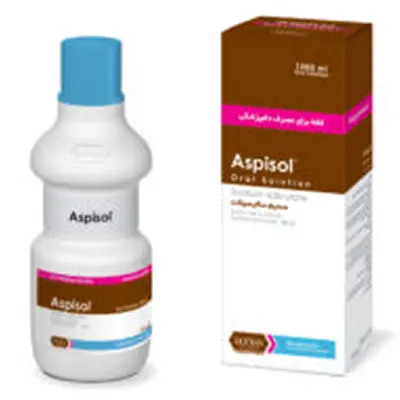
آسپی سل

Sodium Salicylate

Target species

Our sales consultants and experts
Specialist consultant
Receive Product Tariffs
Conditions of cooperation

Packaging

Available in 1- and 2-liter containers.

Compounds

Each liter of the oral solution contains 486 grams of sodium salicylate.

Mechanism of the Effect

Sodium salicylate is a non-steroidal anti-inflammatory drug (NSAID) with anti-inflammatory, analgesic, and antipyretic effects. It reduces the production of prostaglandin precursors by inhibiting the cyclooxygenase (COX) enzyme.

This drug is rapidly and completely absorbed, undergoes hepatic metabolism, and is excreted by the kidneys (either as conjugated or unchanged forms, about 13%). The half-life of the drug is 2–3 hours at low or single doses, and 5–18 hours at higher doses.

Use case

Sodium salicylate is used for the treatment of mild to moderate pain, fever, and osteoarthritis.

The amount and how to use

Poultry:

As an analgesic and antipyretic:

20 mL of the drug per 1,000 kg of live body weight (approximately 500 mL per 1,000 liters of drinking water), once or twice daily.

For prostaglandin control (anti-inflammatory effect in infectious diseases):

115 to 120 mL of the drug per 1,000 kg of live body weight (approximately 3 liters per 1,000 liters of drinking water), once daily.

Caution

Keep out of reach of children.

Drug interference

Antibiotics with bacteriostatic effects (e.g., tetracyclines, chloramphenicol):

They may reduce the bactericidal effect of ampicillin; concurrent use is not recommended.

Antacids or alkaline substances in feed:

These may decrease the absorption of ampicillin.

Anticoagulants (e.g., warfarin):

Ampicillin may enhance the effect of these drugs by reducing vitamin K synthesis by the gut microflora.

Live vaccines:

Concurrent use with antibiotics may reduce the immune response to the vaccine.

Maintenance conditions

Store in a dry place at a temperature between 15–30 °C and away from direct sunlight.

Prolonged storage at temperatures below 4 °C may lead to a reduction in the quality of the product.

Related products